
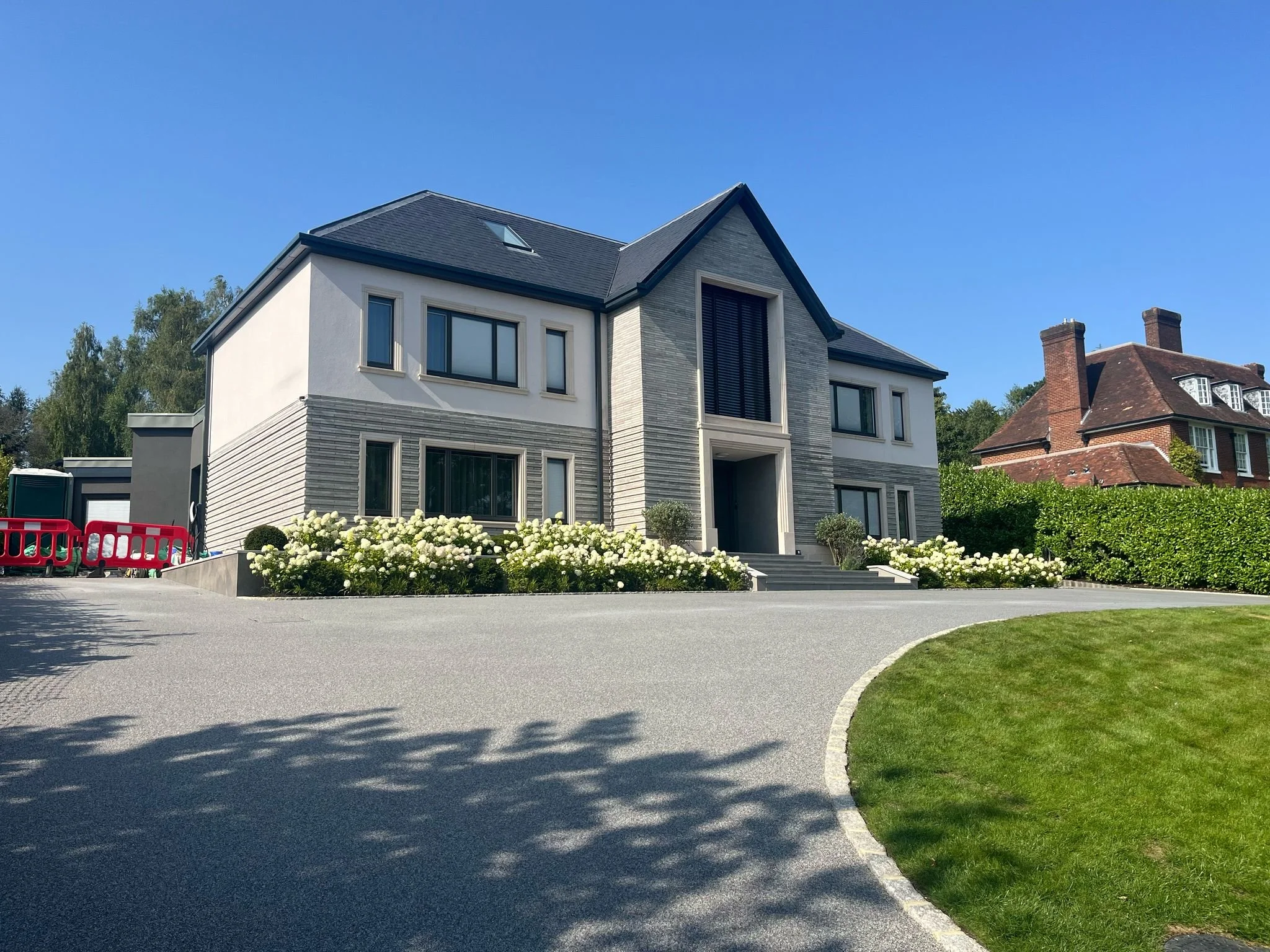
If you’re considering a luxury home build in 2026, the decisions you make now will shape the success of your entire project. High-end construction is more complex, more technical, and more collaborative than ever - which means early planning isn’t just helpful, it’s essential.
From budgeting and architectural coordination to renewable integration and smart home design, here are the key things to get right before you break ground.
1. Start With a Clear Vision, and a Realistic Budget
Luxury projects start with ambition. But to deliver that ambition, you need clarity:
· What lifestyle should the home support?
· What architectural style or features matter most?
· What elements are “must-haves” vs “nice-to-haves”?
Once your priorities are defined, you can build a realistic high-level budget. At this stage, transparency is crucial - being honest about expectations prevents compromise later in the process.
Why this matters in 2026:
Material costs remain unpredictable, and labour demand is high. Early budgeting gives you more control and helps avoid late-stage surprises.
2. Engage Your Builder and Architect Early
The most successful 2026 builds will be those where the architect and builder collaborate from day one.
When your builder is involved early, they can advise on:
Structural feasibility
Value engineering
Renewable energy integration
Buildability of key design details
Programme planning and timeframes
M&E and smart home requirements
This reduces redesigns, prevents delays, and ensures the architectural vision is delivered with accuracy.
Why Step Three advocates early collaboration:
We translate conceptual designs into detailed technical drawings, closing the gap between vision and buildability - saving time, cost, and stress later.
3. Understand the Planning & Lead Time Landscape
Planning permissions, structural design, utilities coordination, and material lead times can all take longer than expected. For a high-end build in 2026, expect the following:
Planning: 8–12 weeks minimum
Structural design: 4–6 weeks
Technical drawings: 6–10 weeks
Long-lead items (glazing, bespoke joinery, renewables): 3–6 months
Starting early means your project stays on track without compromising design or quality.
4. Consider Renewables and Energy Efficiency From the Start
Energy efficiency has moved from “featured upgrade” to an essential part of modern homebuilding. As expectations change, and regulations tighten, integrating renewables early makes a major difference.
Key decisions include:
Solar PV placement
Battery storage systems
MVHR and air quality design
High-performance insulation
Heat pump and underfloor heating integration
Smart energy management (e.g., Loxone)
These elements are far easier to design upfront than retrofit later.
Why it matters for 2026:
Homes built today must be future-ready - not just beautiful, but efficient, resilient, and intelligently controlled.
5. Plan Your Smart Home Technology Early
Smart homes are no longer a luxury, they’re an expectation. Lighting, heating, security, shading, and AV systems are now fully integrated, and they require careful planning.
At Step Three, we use Loxone for all major installs because it:
Handles complex system integration
Works seamlessly with renewables
Reduces clutter with centralised racks
Enhances comfort and efficiency automatically
Planning the smart home infrastructure early prevents costly changes and ensures a clean, neat installation later on.
6. Choose a Builder Who Can Deliver the Detail
High-end homes are defined by details clients often never see:
Perfectly executed waterproofing
High-performance envelopes
Precision joinery
M&E coordination
Smart home commissioning
Accurate technical drawings
Quality management through every phase
Choose a builder with expertise across the entire process - not just structural work but finishing, renewables, and smart technology too.
7. Build a Team That Works Well Together
Your architect, builder, and key subcontractors should feel like one team, aligned on standards, communication, and outcomes. When the relationship is strong, the results are better:
Fewer delays
Cleaner site coordination
Higher quality finishes
Greater respect for design intent
At Step Three, we intentionally partner with specialists who share our values.
Final Thoughts: The Best Builds Start Long Before Construction Begins
If you’re planning a luxury build for 2026, now is the right time to begin shaping your project.
Early preparation means:
Better cost control
Cleaner timelines
Safer decision-making
Stronger design integrity
A smoother experience from start to finish
At Step Three, we help clients move from concept to construction with clarity, confidence, and complete transparency.
Ready to plan your 2026 build? We’d love to talk.