
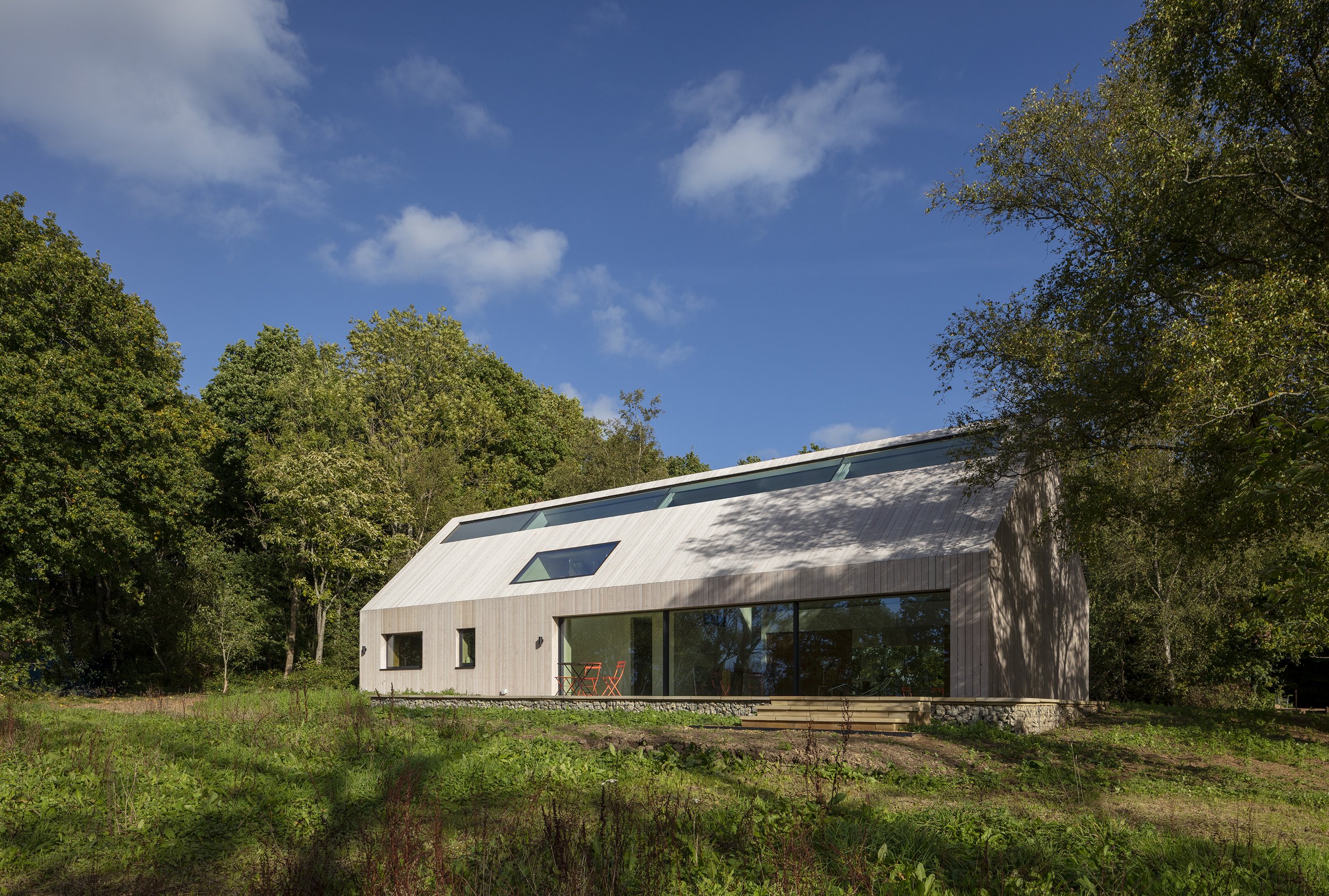
When people hear “design and build,” it’s easy to assume the builder is producing the initial concept design. In reality, high-end residential projects typically begin with an architect’s creative vision - and success depends on what happens next. That next stage is technical design.
Technical design is where architectural concepts are translated into buildable detail. It’s what turns beautiful drawings into a home that performs, lasts, and feels exceptional to live in. It’s also one of the most overlooked reasons why luxury builds either run smoothly - or become difficult, delayed, and compromised.
At Step Three Construction, technical design is central to our approach. We work closely with architects and clients to convert concepts into precise, coordinated technical information, bridging the gap between design intent and construction reality.
Here’s what technical design really means, why it matters, and how it improves the outcome of every high-end build.
1. What Is Technical Design?
Technical design is the process of developing a project beyond concept stage into a detailed, buildable solution.
It includes the technical drawings, specifications, coordination, and construction detail required to make the build possible - and to make sure it’s delivered accurately.
In simple terms:
Concept design shows what the home should be
Technical design explains how it will be built
This is the stage where the project becomes “construction-ready.” It’s also where design intent is protected - or lost.
2. What Technical Design Covers
In a luxury home build, technical design touches almost every part of the process, including:
Structure and buildability
Technical design resolves how the building will physically stand and perform, including:
Structural strategy
Load paths and support
Key junctions and connections
Foundations, steelwork, timber systems, and complex openings
Build-ups and performance
Luxury homes are expected to be efficient, comfortable, and future-ready. Technical design defines:
insulation and thermal performance
roof build-ups and drainage falls
airtightness detailing
waterproofing systems
glazing and ventilation integration
acoustic performance and sound transfer reduction
Services coordination (M&E)
This is often where projects become complicated. Luxury builds now depend on extensive services, including:
underfloor heating
air conditioning
MVHR systems
solar and storage
smart home automation
lighting zones and scene control
EV charging
security and access
Technical design coordinates these systems early so the installation is clean, efficient, and conflict-free.
Detail resolution
Luxury is defined by the details - the finishes, the lines, and the precision. Technical design is where these are achieved, including:
shadow gaps
flush thresholds
bespoke joinery interfaces
lighting and ceiling coordination
bathroom and wet room detailing
façade junctions and material transitions
3. Why Technical Design Matters More in Luxury Builds
High-end homes demand more than standard construction. The budgets are larger, the finishes are higher specification, and expectations are much tighter. But the biggest difference is complexity. Luxury homes typically include:
bespoke design detailing
large spans and structural features
multiple systems operating together
premium materials with long lead times
very low tolerance for error
Without technical design that’s accurate and coordinated, those elements become risk points. These risk points can turn into programme delays, costly redesigns, site uncertainty, compromised details, poor finish alignment, and increased stress for everyone involved.
Technical design eliminates uncertainty and keeps quality protected.
4. The Most Common Problems Caused by Weak Technical Detail
When technical design is missing, incomplete, or resolved too late, the same issues appear across almost every project:
Delays caused by unanswered detail
Trades arrive on site and discover key questions haven’t been resolved, such as where does the service route, or how does this junction finish? The answer often becomes “we’ll work it out on site,” which is rarely the right approach on a high-end project.
Services clashes and rework
Plumbing, electrics, ventilation and automation systems require space and coordination. Without early design resolution, services compete with structure or finishes. That leads to rework, delays, or compromised solutions.
Compromise of design intent
Arguably the biggest issue of all. When buildability isn’t considered early, the final result can drift from the architect’s original vision. That is how shadow gaps become trims, flush thresholds gain steps, and clean lines become filled details.
5. How Technical Design Improves the Build Experience
Technical design isn’t just about drawings - it improves the experience for everyone involved:
For clients
fewer surprises
clearer decisions early on
more confidence in cost and programme
less stress during construction
a better finished home
For architects
stronger protection of design intent
buildability feedback before it becomes an issue
fewer RFIs and site issues
smoother delivery and better detailing outcome
For the construction team
clear instructions
faster, cleaner sequencing
reduced rework
better coordination between trades
It creates a shared understanding of what’s being built and how.
6. How Step Three Approaches Technical Design
At Step Three, technical design is part of how we deliver. We work with architects and clients to translate concepts into buildable technical detail, using our own in-house capability, ensuring clarity before construction begins. This process supports:
early coordination between design and construction
clearer sequencing and programme planning
better integration of M&E and smart tech
fewer delays and fewer compromises
stronger quality control throughout the build
We don’t replace the architect’s role - we support it by ensuring the intent is delivered with precision.
7. Technical Design and Innovation: Where Smart Homes Start
Modern luxury homes are increasingly defined by performance. Smart home systems, renewable energy, and energy management only work properly when they are designed in - not bolted on.
This is why we integrate platforms like Loxone from the outset. Smart systems become more valuable when they’re planned in coordination with:
heating and cooling
MVHR
solar and storage
lighting design
shading and comfort zones
When the detail is right, the technology works quietly in the background - enhancing comfort, efficiency, and long-term performance without clutter or complexity.
Final Thoughts
Technical design is one of the most important ingredients in a successful luxury build - yet it’s often misunderstood.
It’s where concepts become buildable. It’s where the project is de-risked. And it’s where quality is protected long before construction begins.
At Step Three, we believe that the best builds start with clarity. The more detail you resolve early, the smoother the build will be - and the stronger the final outcome.
If you’re planning a high-end residential project, or you’re an architect looking for a delivery partner who understands detail and buildability, we’d be happy to talk.