
When people talk about quality in construction, they often think of what they can see at the end of the process – finishes, materials, and visual detail. While these elements matter, they are rarely where quality is truly defined.
In high-end residential construction, quality is established much earlier. It is shaped by planning, sequencing, coordination, and the quiet technical decisions that underpin how a home performs, ages, and feels to live in. These are the aspects that don’t always make it into photographs, but they are what separate a smooth, well-executed build from a stressful one.
Here’s what quality really means on a high-end build – and why it’s about far more than what meets the eye.
Quality Starts With Planning, Not Finishes
The foundation of any successful build is laid long before work begins on site. Clear planning at the outset creates confidence throughout the project and reduces the need for compromises later on.
This stage is about more than agreeing layouts or selecting materials. It involves understanding how the home will be built in practice – how structure, services, insulation, and finishes will interact, and how the programme needs to be sequenced to support them. When decisions are rushed or left unresolved, they tend to resurface on site as delays, redesigns, or additional cost.
Well-planned projects feel different from the very beginning. They move with purpose, decisions are made with clarity, and everyone involved understands what success looks like. That clarity is one of the most important indicators of quality.
Precision and Sequencing Matter More Than People Expect
In high-end homes, millimetres matter. Tolerances that might be acceptable on a standard build can quickly undermine the finish of a bespoke home if they are not carefully controlled.
Equally important is sequencing – doing the right work at the right time. Installing elements too early or too late can compromise performance, create unnecessary rework, or restrict access for other trades. Quality construction relies on understanding how each stage supports the next, and ensuring nothing is rushed or forced out of order.
This is where experience plays a critical role. Knowing when to pause, when to progress, and how to protect completed work is often what preserves quality through the more complex phases of a build.
Mock-Ups and Approvals Protect Design Intent
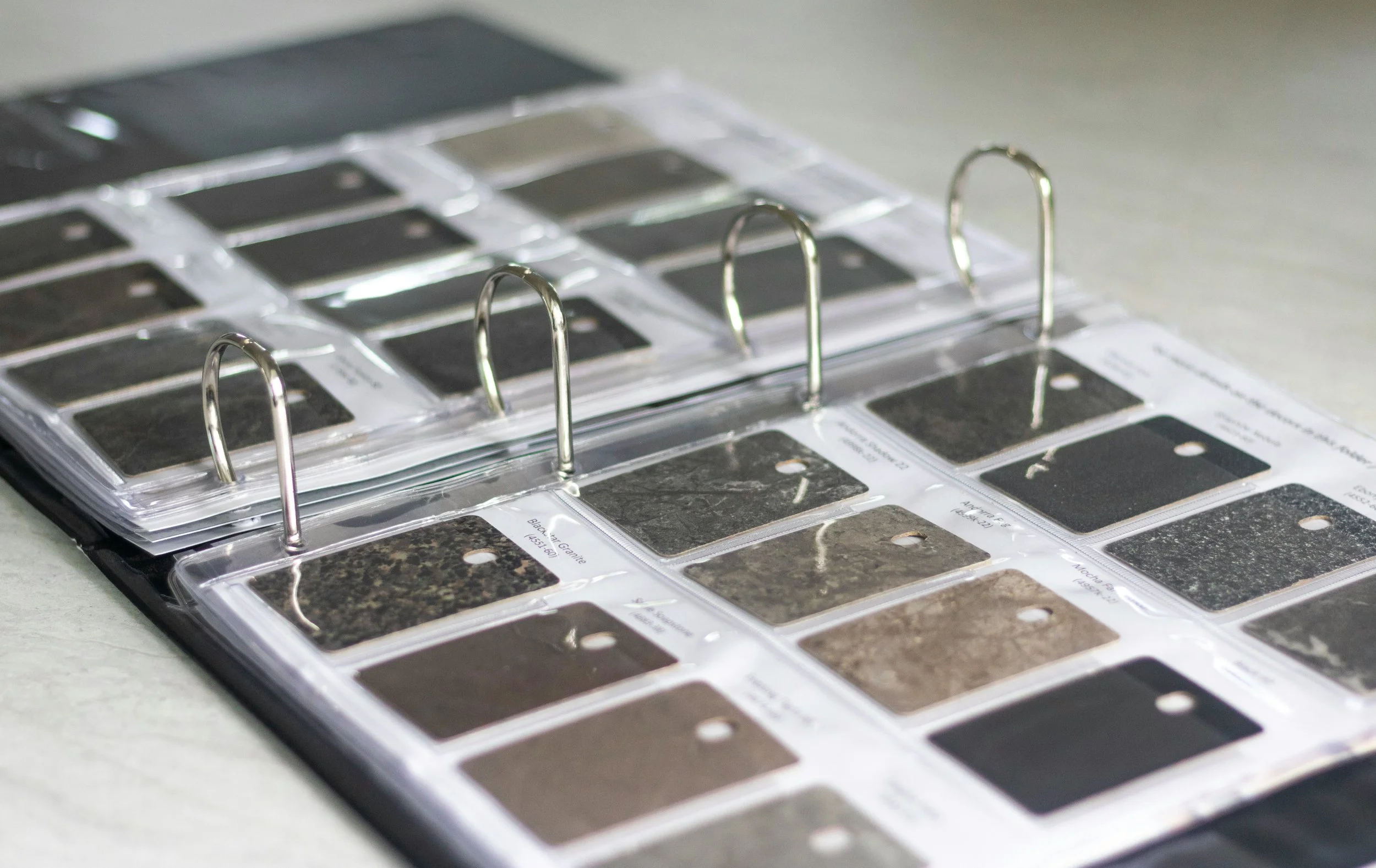
One of the most effective ways to maintain quality is to remove ambiguity before committing to full installation. Mock-ups, samples, and test panels allow details to be reviewed in real conditions, rather than interpreted solely from drawings.
These steps give clients confidence in their decisions and ensure that everyone involved shares the same expectations. They also reduce the risk of costly changes later, when adjustments are more disruptive and expensive.
Far from slowing a project down, this approach often speeds things up overall. Decisions are made once, with certainty, and the build progresses without unnecessary backtracking.
The Most Important Work Is Often the Least Visible
Some of the most critical elements of a high-quality home are never seen once the build is complete. Structure, waterproofing, insulation, ventilation, and service coordination all play a huge role in how a home performs over time.
These systems affect comfort, energy efficiency, durability, and long-term maintenance – yet they are often hidden behind walls, floors, and ceilings. Getting them right requires care, technical understanding, and a willingness to prioritise performance over shortcuts.
A truly high-quality home is one that works just as well years after handover as it does on day one. That outcome depends heavily on the unseen work carried out during construction.
Coordination Is the Final Layer of Quality
Quality doesn’t exist in isolation. It lives in the spaces between disciplines – where structure meets services, where finishes rely on accurate groundwork, and where multiple trades need to work in harmony.
Strong coordination ensures that design intent is preserved through construction and that details are resolved collaboratively rather than reactively. It reduces clashes, avoids rework, and supports a calmer, more controlled build process.
When coordination is handled well, the project feels joined-up. Problems are anticipated rather than discovered, and the experience is noticeably smoother for everyone involved.
Quality Is a Process, Not a Moment
In high-end residential construction, quality is not something applied at the end. It is the result of hundreds of considered decisions made throughout the life of a project.
From early planning and technical clarity to sequencing, coordination, and attention to unseen detail, quality is built in layer by layer. The homes that stand the test of time are those where this process is respected from start to finish.
At Step Three, we believe that true quality is felt as much as it is seen – in how a home performs, how it’s delivered, and how the journey feels along the way.