
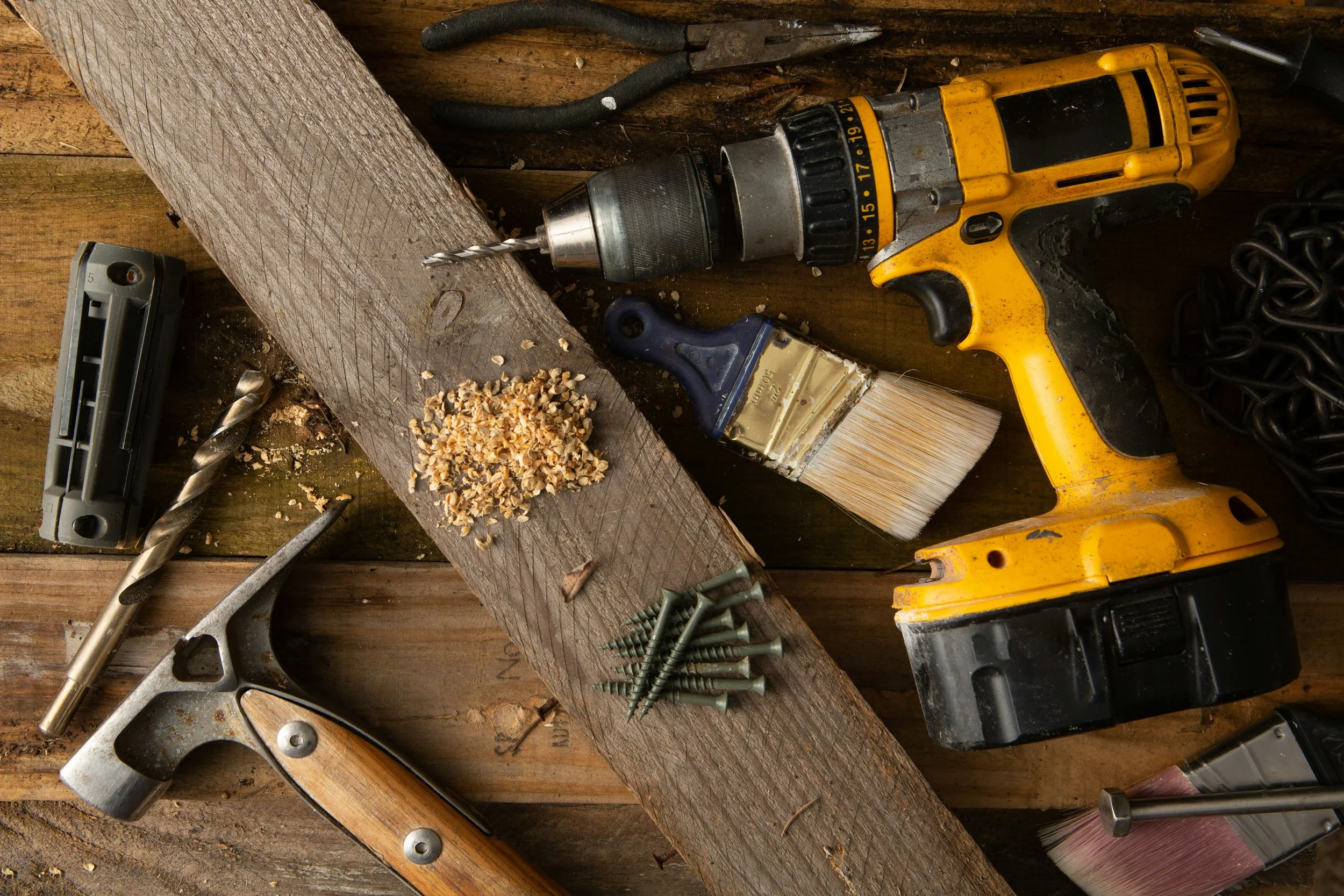
Construction is often described in terms of process.
Programmes are carefully planned, trades are coordinated, and projects move forward through a series of structured stages. These systems are important. They allow complex residential projects to be organised clearly and delivered efficiently.
But even with the best planning in place, the quality of a finished home still depends on something far more human: craftsmanship.
Behind every well-built home are skilled trades who bring experience, judgement and attention to detail to the work they do each day.
Where design becomes reality
Architecture begins with drawings, ideas and carefully considered design decisions.
Those ideas only truly become real when materials begin to take shape on site. Walls are formed, structural elements are assembled, and details that once existed only on paper start to appear in physical form.
This is where craftsmanship becomes essential.
Skilled trades understand how materials behave, how tolerances interact and how different elements come together to create the finished spaces within a home. Their experience allows them to translate architectural drawings into built form while maintaining the intent of the design.
The importance of precision
In residential construction, the difference between an average result and an exceptional one often comes down to the smallest details.
The alignment of joinery.
The way stone is set.
The precision of junctions between materials.
These elements require patience and care. They rely on tradespeople who take pride in their work and understand the importance of accuracy.
Over time, these details become the quiet markers of quality within a home.
Experience you can’t replace
Construction technologies continue to evolve, and modern tools have made many aspects of building more efficient, but experience remains difficult to replace.
Craft knowledge is often built over many years of practice. Skilled trades develop an instinct for how materials respond, how structures settle and how subtle adjustments can improve the final result.
This depth of understanding plays an important role in delivering homes that feel solid, balanced and well resolved.
A shared commitment to quality
The best residential projects tend to emerge when architects, builders and skilled trades are aligned around a shared goal.
Architects bring the vision and design intent. Builders coordinate the delivery of the project as a whole. Trades bring the craftsmanship required to realise the details that give a building its character.
When these roles come together successfully, the result is often a home where the quality of the work can be felt in the spaces themselves.
Craft that stands the test of time
Well-built homes are designed to last for decades.
Materials settle, light changes through the seasons and the home gradually becomes part of the lives of the people who live there. Over time, the quality of the craftsmanship becomes increasingly apparent.
Junctions remain crisp. Materials age naturally. Spaces continue to feel comfortable and well proportioned.
In many ways, craftsmanship is what allows architecture to endure. And it is often this quiet attention to detail that gives a home its lasting sense of quality.